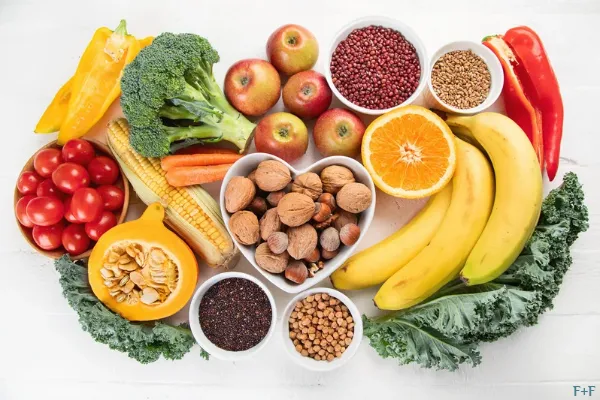
The Role of Fibre in Your Diet: Benefits and Best Sources
Protein gets all the attention these days, and for good reason. But there's another nutrient quietly doing a huge amount of the work behind steady energy, comfortable digestion, and feeling full after a meal, and most of us aren't getting nearly enough of it.
That nutrient is fibre. It isn't trendy, it doesn't come in a shiny tub, and nobody's posting transformation photos about it. It's a fundamental. And if you've been feeling bloated, sluggish, hungry an hour after eating, or just "off" in your gut lately, fibre is one of the simplest places to start.
What fibre actually is
Fibre is the part of plant foods your body can't fully digest. Instead of being broken down and absorbed like other carbohydrates, it moves through your digestive system mostly intact, and that's exactly what makes it so useful. There are two main types, and you want both.
Soluble fibre dissolves in water and forms a gel in your gut. It slows digestion, helps blunt blood sugar spikes after a meal, and helps lower LDL cholesterol. You'll find it in oats, beans and lentils, apples, pears, citrus, chia seeds, and ground flax.
Insoluble fibre doesn't dissolve. It adds bulk and keeps things moving through your digestive tract, which is why it's the type most connected to regularity. You'll find it in whole grains, wheat bran, nuts, and the skins of vegetables and fruit.
Most whole plant foods contain a mix of both, so you don't need to track them separately. Eat a variety of plants and you'll cover your bases.
How much fibre do you need?
Health Canada's recommended intake is about 25 grams a day for women aged 19 to 50, and about 21 grams a day for women over 50. Many dietitians would happily see active women go higher than that.
Here's the catch: most Canadians get roughly half of what they need. If you've spent years cycling through low-carb plans, cutting out bread, fruit, or beans because they were labelled "bad," there's a good chance your fibre intake took a hit right along with them. That's not a willpower issue. It's a side effect of diet culture throwing out some of the most nourishing foods available.
Why fibre matters more in your 40s and 50s
Fibre is good for everyone, but a few things that shift through perimenopause and menopause make it especially worth paying attention to now.
Your digestion can change. Hormonal shifts can slow things down, and many women notice more bloating and constipation than they used to. Add in less sleep, more stress, and sometimes less water, and your gut feels it. Consistent fibre (with enough fluid) is one of the most reliable ways to get things moving comfortably again.
Your cholesterol can climb. As estrogen declines, LDL cholesterol often rises, which is one reason heart health becomes a bigger conversation in midlife. Soluble fibre binds to cholesterol in your gut and helps carry it out of your body, making it one of the easiest food-based tools you have for supporting your heart.
Your blood sugar gets less forgiving. Because fibre slows how quickly carbohydrates hit your bloodstream, it helps smooth out the spikes and crashes that show up as afternoon fatigue, brain fog, and sudden cravings.
Your gut bacteria need feeding. The trillions of bacteria living in your gut use fibre as fuel. When they ferment it, they produce compounds that help keep the lining of your gut healthy and support your immune system. A well-fed gut is a happier gut.
Fibre and weight management (without the diet)
We're not going to tell you to eat a bowl of bran so you can eat less. That's not how we work. But fibre does play a real role in helping you feel satisfied, which makes it one of the most underrated tools for managing weight without restriction.
Fibre adds volume to your meals, so a plate with beans, vegetables, and whole grains takes up more room in your stomach than the same amount of energy from refined foods. It slows digestion, so you stay full longer. And because it steadies your blood sugar, you're far less likely to find yourself standing in front of the pantry at 3 p.m. wondering what happened.
The real magic happens when you pair fibre with protein and a little fat. That's the same formula we use for every meal and snack with our clients: protein, fibre, and a little fat. Protein protects your muscle and keeps you full, fibre keeps your digestion and blood sugar steady, and fat makes it satisfying. Eat enough of all three and the cravings that used to run your afternoon start to quiet down on their own. Eat enough. Feel better.
The best high-fibre foods to build your meals around
You don't need specialty products or supplements. Some of the highest-fibre foods in the grocery store are also some of the cheapest. Approximate amounts are below to give you a feel for what adds up.
Beans, lentils, and chickpeas are the heavy hitters. One cup of cooked lentils has about 15 grams of fibre, and half a cup of black beans or chickpeas has around 6 to 8 grams, plus a solid dose of plant protein. Add them to soups, salads, grain bowls, or tacos, or roast chickpeas for a crunchy snack.
Berries and fruit with the skin on are an easy win. A cup of raspberries packs about 8 grams, a medium pear with the skin has around 5 or 6, and an apple has about 4. Half an avocado adds roughly 5 grams along with healthy fat.
Whole grains like oats, barley, quinoa, farro, brown rice, and whole-grain bread give you steady energy along with fibre. Half a cup of dry oats has around 4 grams, and choosing the whole-grain version of breads and pastas you already eat is one of the lowest-effort swaps there is.
Seeds and nuts punch well above their weight. Two tablespoons of chia seeds have close to 10 grams of fibre, two tablespoons of ground flax about 4, and a quarter cup of almonds about 4. Sprinkle them on yogurt, oats, or smoothies.
Vegetables round it all out. A cup of cooked broccoli or Brussels sprouts gives you around 4 to 6 grams, green peas about 4 grams per half cup, and a sweet potato with the skin left on about 4. Frozen vegetables count every bit as much as fresh ones.
And yes, popcorn counts too. Three cups of air-popped popcorn have about 3.5 grams of fibre, which makes it one of the better salty snacks out there.
What 25 grams looks like in a real day
Hitting your fibre target is a lot less complicated than it sounds once you see it on a plate. Here's one way a day could come together.
Breakfast is overnight oats made with half a cup of oats, a tablespoon of chia, and a handful of raspberries, stirred with Greek yogurt for protein. That's roughly 13 grams of fibre before you've left the house. Lunch is a lentil and vegetable soup with a side of whole-grain toast, adding another 10 or so. An afternoon pear with a piece of cheese adds about 5. Dinner is salmon with roasted broccoli and a scoop of quinoa, bringing in another 7 or 8.
That's well over 30 grams, with protein at every meal, and not a single food that feels like a "diet" food. Nothing fancy. Just fundamentals, done consistently.
How to add more fibre without the bloat
If you're currently eating very little fibre, don't go from zero to a lentil-chia-bran extravaganza overnight. Your gut needs time to adjust, and jumping in too fast is a recipe for gas, bloating, and deciding fibre "doesn't agree with you."
Add one higher-fibre food at a time over a couple of weeks, like swapping white bread for whole grain this week and adding beans to a few lunches next week. Drink more water as you go, because fibre needs fluid to do its job well, and without enough of it things can actually slow down rather than speed up. Spread your fibre across the day instead of loading it into one meal. And lean on whole foods first. A fibre supplement can help in some situations, but it won't give you the vitamins, minerals, and variety that real food does.
Small changes, real results
Fibre won't make headlines, and it won't promise you a new body in 21 days. What it will do is help you feel fuller, more comfortable, and more energized day to day, which makes every other healthy habit easier to stick with. You don't need to overhaul your kitchen. Pick one high-fibre food you already like and eat it a little more often this week. Something is better than nothing.