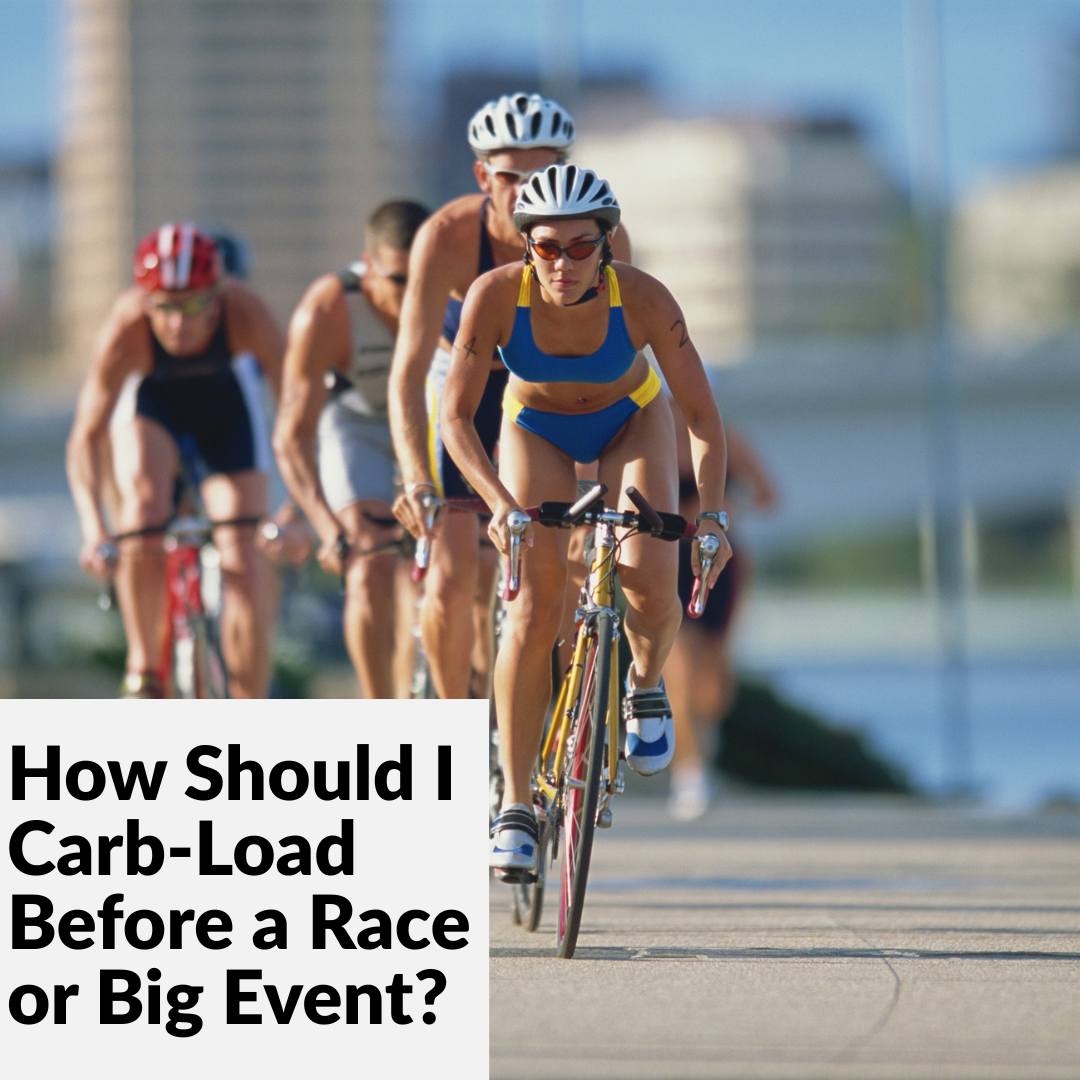
Increase carb intake 24–48 hours before the event, focusing on easy-to-digest carbs like rice, potatoes, oats, and fruit. Aim for 3–5 grams of carbs per pound of body weight, depending on the length and intensity of the event.
Why Carb-Loading Works
Carbohydrates are stored in your muscles and liver as glycogen, which is your body’s preferred fuel for hard training and racing. The more glycogen you have available, the longer you can maintain pace, power, and focus before fatigue hits.
When glycogen is low, you’ll feel it:
-
Heavy legs
-
Early fatigue
-
Poor pacing
-
Brain fog
Carb-loading isn’t about overeating — it’s about strategically topping off fuel stores so you can perform at your best.
When to Carb-Load
For most people, carb-loading should start 24–48 hours before race day.
-
Shorter events (5K–10K, shorter lifts or competitions): 24 hours is usually enough
-
Longer events (half marathon, marathon, long trail races, endurance competitions): 36–48 hours works better
Anything longer than that usually just leads to unnecessary GI stress.
How Much Carbohydrate Do You Need?
A general guideline:
3–5 grams of carbs per pound of body weight per day
That’s a range for a reason:
-
Lower end if the event is shorter or lower intensity
-
Higher end for long endurance races or multiple-hour events
Example:
-
150 lb athlete → 450–750 g carbs per day
This sounds like a lot — and it is — but remember, training volume is typically reduced during taper, so carbs shift from fueling workouts to fueling storage.
Best Carb Choices (Keep It Simple)
The goal is high-carb, low-fiber, low-fat foods that digest easily.
Great options:
-
White rice
-
Potatoes or sweet potatoes
-
Oats
-
Pasta
-
Bread or bagels
-
Rice cakes
-
Fruit (bananas, berries, applesauce)
-
Low-fat yogurt
-
Pretzels
These foods digest quickly and refill glycogen without overwhelming your gut.
Foods to Limit (Not the Time to “Eat Clean”)
This is where people get tripped up.
Reduce:
-
Very high-fiber foods (huge salads, raw veggies, bran cereals)
-
Heavy fats (fried foods, creamy sauces)
-
New or unfamiliar foods
-
Excess protein crowding out carbs
Fiber and fat slow digestion — great for daily health, not ideal right before race day.
What Carb-Loading Should Feel Like
-
Slightly fuller muscles
-
A bit of scale weight increase (normal — glycogen holds water)
-
Stable energy
-
Less hunger between meals
What it shouldn’t feel like:
-
Extreme bloating
-
GI distress
-
Food guilt
-
“I messed this up” panic
If it feels chaotic, it’s usually because carbs were pushed too high too fast or fiber stayed too high.
Race-Day Morning: Don’t Skip This
Carb-loading doesn’t replace your pre-race meal.
On race morning:
-
Eat 2–3 hours before start
-
Focus on easily digestible carbs
-
Keep fat and fiber low
-
Include a small amount of protein if tolerated
Think: oatmeal with banana, toast with jam, rice cakes, or a bagel.
Carb-loading isn’t a free-for-all — it’s intentional fueling.
Increase carbs 24–48 hours out, prioritize easy-to-digest foods, and aim for 3–5 g of carbs per pound of body weight. Done right, you’ll show up with full energy stores, better pacing, stronger performance, and faster recovery.
Fueling well isn’t extra — it’s part of training.
Leave a Comment
You must be logged in to post a comment.

0 Comments