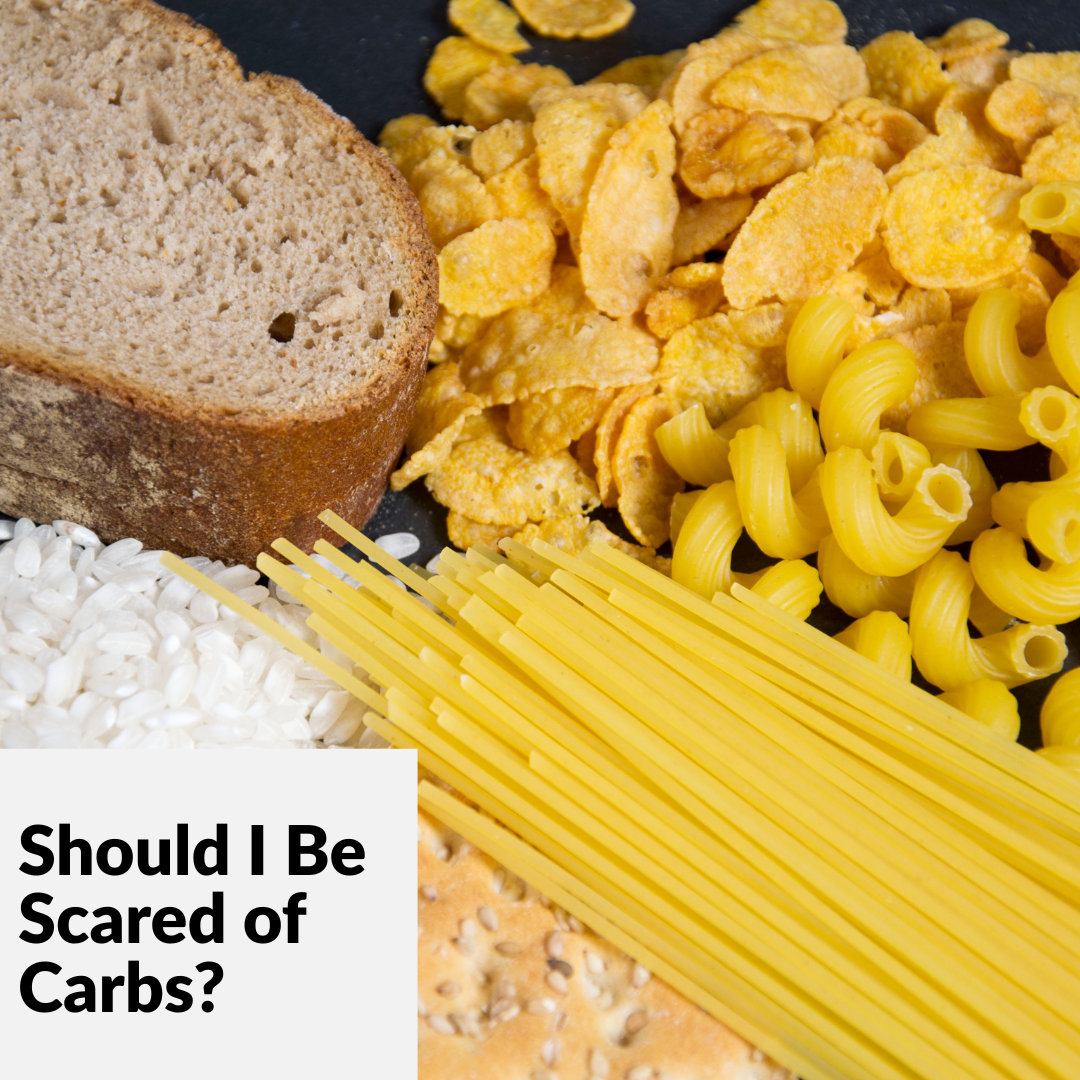
No. Carbohydrates are not the enemy, they’re your body’s preferred source of energy, especially if you’re lifting weights, running, doing HYROX, or training multiple days per week. Instead of fearing carbs, learn how to use them to fuel performance, improve recovery, and support your goals.
If you’ve spent any time on social media, you’ve probably heard someone claim that carbs make you gain weight, spike your blood sugar, or should be avoided if you want to get lean. The truth? Carbohydrates have been unfairly blamed for a lot of things they didn’t cause. Let’s separate fact from fiction and talk about why carbs deserve a place on your plate.
Myth #1: Carbs Make You Gain Weight
Carbs don’t magically turn into body fat. Weight gain happens when you consistently eat more calories than your body needs, regardless of whether those calories come from carbohydrates, protein, or fat. In fact, many highly active people struggle because they’re not eating enough carbohydrates to support their training. Instead of asking, “Are carbs bad?” ask yourself:
“Am I eating the right amount of carbs for my activity level?”
For someone training four to six days per week, the answer is usually “more than you think.”
Myth #2: Eating Carbs Will Stop Fat Loss
Many people lose weight on low-carb diets, but it’s not because carbs are inherently fattening. Reducing carbohydrates often leads to:
- Eating fewer total calories
- Less processed snack foods
- A temporary drop in water weight
However, plenty of people lose body fat while eating carbohydrates every single day. In fact, adequate carbohydrates can improve workout quality, helping you train harder, maintain muscle, and burn more calories over time.
Myth #3: You Don’t Need Carbs to Train
Technically, your body can survive without dietary carbohydrates. But surviving and performing are two very different things. Carbohydrates are stored in your muscles and liver as glycogen—the fuel your body relies on during:
- Weight training
- Running
- HIIT workouts
- HYROX sessions
- Team sports
- Long endurance workouts
When glycogen stores are low, you may notice:
- Lower energy
- Reduced strength
- Slower running pace
- Poor concentration
- Increased fatigue
- Harder recovery
If you’ve ever felt like you’re dragging through a workout despite getting enough sleep, under-fueling with carbohydrates could be part of the problem.
Carbs and Recovery Go Hand in Hand
Training doesn’t make you stronger. Recovering from training does.
After exercise, your body wants to replenish glycogen stores and repair muscle tissue. Eating carbohydrates alongside protein helps kickstart this process.
Benefits include:
- Faster recovery
- Better performance in your next workout
- Reduced fatigue
- Improved training consistency
- Better overall energy throughout the day
Think of carbs as refilling your gas tank after a long road trip.
Not All Carbs Are Created Equal
Carbohydrates come from a huge variety of foods—not just bread and pasta. Great carbohydrate sources include:
- Oats
- Rice
- Potatoes
- Sweet potatoes
- Fruit
- Beans and lentils
- Whole grain breads
- Quinoa
- Dairy products
- Vegetables
Even foods like cookies, pizza, and ice cream contain carbohydrates. A healthy diet doesn’t require perfection. Most of your carbohydrates can come from nutrient-dense foods while still leaving room for foods you genuinely enjoy.
How Many Carbs Do You Need?
There isn’t one magic number.
Your needs depend on:
- Training frequency
- Workout intensity
- Body size
- Goals
- Lifestyle
Someone walking a few times per week needs different fuel than someone strength training four days a week and running three days a week. The key is matching your carbohydrate intake to your activity level rather than following arbitrary diet rules.
Stop Fearing Fuel
Carbohydrates aren’t ruining your progress. They help you:
- Lift heavier
- Run faster
- Recover better
- Maintain muscle
- Stay energized
- Enjoy food without unnecessary restriction
The goal isn’t to eliminate carbs—it’s to build a balanced diet that supports both your performance and your life. Because the strongest, healthiest version of you isn’t fueled by fear.
It’s fueled by enough food, smart nutrition, and consistency.
Leave a Comment
You must be logged in to post a comment.

0 Comments