
What Should I Eat Before and After a Workout?
Before your workout, aim for carbs and protein for energy. Think options like Greek yogurt with fruit or oatmeal. After training, prioritize protein and carbohydrates to support recovery and muscle repair. If you want to feel strong during training and recover well after, nutrition matters just as much as the workout itself. The right foods…

Can Nutrition Help Improve Sleep and Recovery?
Absolutely. Consistent meals, enough carbohydrates, magnesium-rich foods, and limiting caffeine later in the day can all support deeper, more restorative sleep. If you’re training hard, managing a busy life, or trying to improve your health, sleep and recovery are non-negotiable. While most people think about training programs or recovery tools like stretching and massage, nutrition…

How Do I Fuel Long Runs or Endurance Training?
Start with 40–60 grams of carbs per hour after the first 60 minutes. Use gels, chews, or sports drinks plus water and electrolytes. Increase from there. Why Fueling Matters Your body stores carbohydrate as glycogen in your muscles and liver. During endurance training—especially anything over 75–90 minutes—those stores start to drop. When they do, you…

What’s the Role of Fiber in Digestion and Weight Management?
Fiber supports digestion, gut health, and fullness. Aim for 25–35 grams per day from fruits, veggies, legumes, and whole grains. Fiber is a type of carbohydrate your body can’t fully digest. Unlike protein, fat, or other carbs, it passes through your digestive system mostly intact. And that’s exactly why it’s so powerful. There are two…

How often should I eat if I’m trying to build muscle?
Eat 3–4 balanced meals plus a snack or shake daily. Eat every 3-4 hours. Consistent protein intake and calorie surplus are key to muscle growth. Why meal frequency matters (but not as much as you think). Muscle growth is driven primarily by two things: Total daily calories (you need enough energy to build tissue) Total…

How Does Stress Affect Your Metabolism?
Chronic stress raises cortisol, which can increase cravings, impact sleep, and slow recovery. Regular meals, exercise, and mindfulness help balance it. When life feels hectic, your body doesn’t separate emotional stress from physical danger. It activates the stress response, releasing hormones like cortisol and adrenaline. This response is helpful in short bursts, but when stress…

Should I Take an Omega-3 Supplement?
If you don’t eat fish 2–3 times per week, supplement with 1–2 grams of combined EPA/DHA daily for heart, brain, and joint health. What Are Omega-3s, Anyway? Omega-3s are essential fats, meaning your body can’t make them—you have to get them from food or supplements. The two that matter most for health and performance are:…
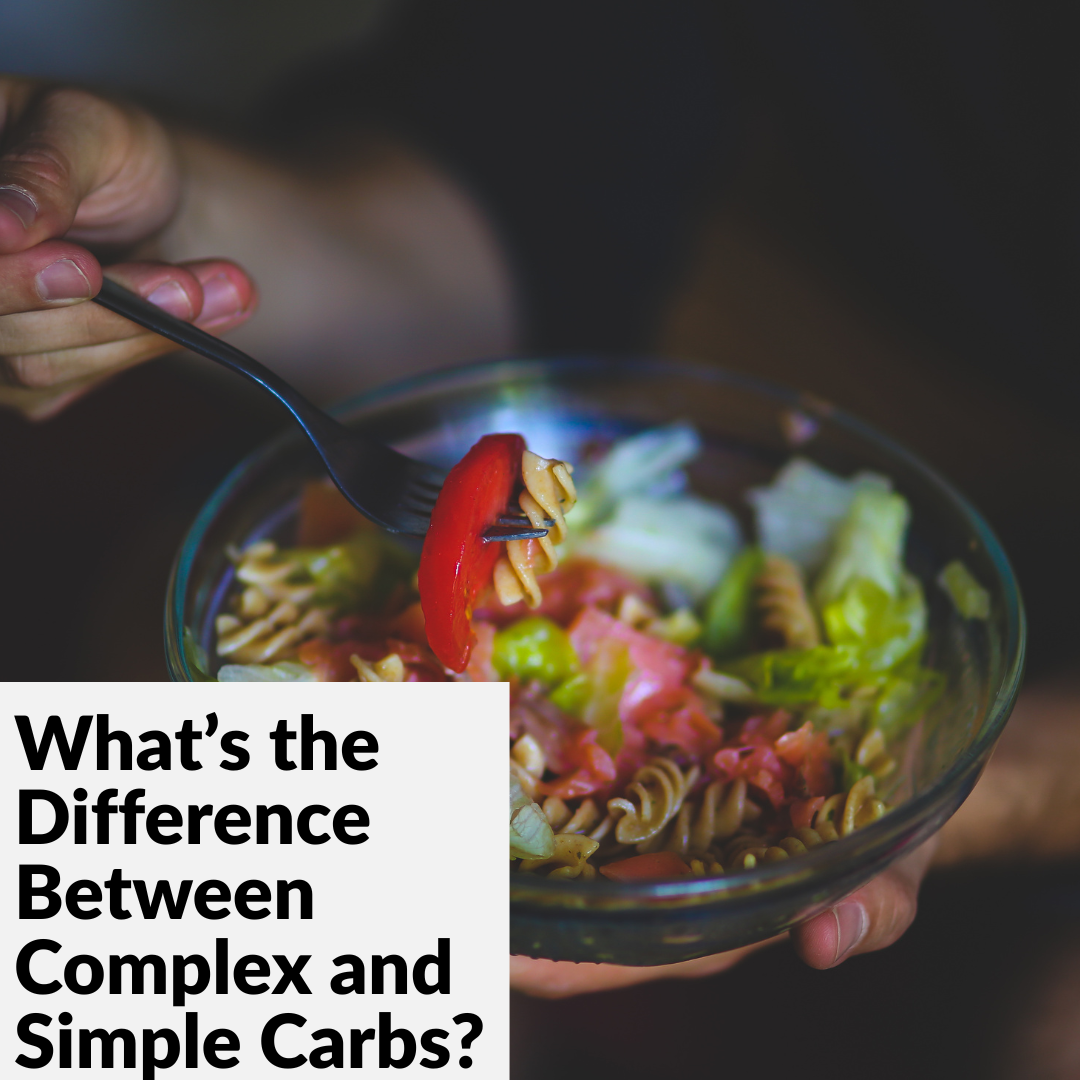
What’s the Difference Between Complex and Simple Carbs?
Complex carbs (oats, quinoa, veggies) digest slowly and provide steady energy. Simple carbs (fruit, honey, gels) digest fast—perfect for fueling workouts. First: Why Carbs Matter (Especially If You Train) Carbohydrates are your body’s main fuel source, especially for: Running Lifting HIIT Long workouts Busy mom life + workouts (aka: real life) When you eat carbs,…

Do I Really Need Supplements If I Eat Well?
Food first, supplements second. Still, many people benefit from vitamin D, magnesium, omega-3s, and creatine for optimal health and performance. If you eat mostly whole foods, get enough protein, prioritize fruits and veggies, and stay consistent with your meals… you’re already doing better than most people. Food Will Always Be the Foundation No supplement can…

Does Meal Timing Really Matter for Fat Loss or Muscle Gain?
Total daily intake matters most, but spreading protein evenly (every 3–4 hours) helps maintain muscle and energy levels. If you’ve ever been told you must eat every 2 hours, never eat after 7pm, or slam a protein shake the second you finish a workout… you’re not alone. Meal timing is one of the most overhyped…
