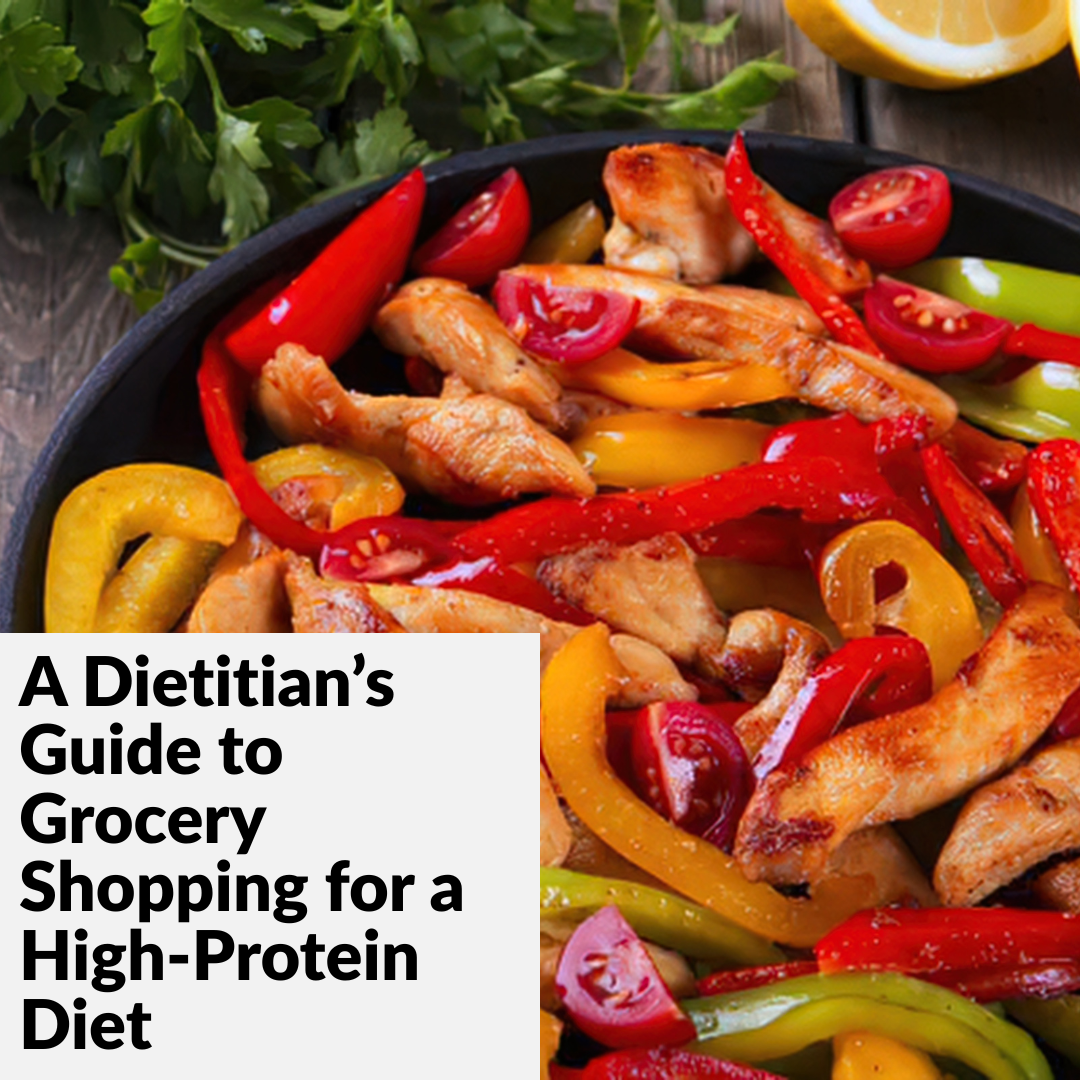
Protein has become one of the biggest buzzwords in nutrition — and for good reason. A high-protein diet can support muscle growth, recovery, energy, satiety, blood sugar balance, and healthy body composition. But walking into a grocery store without a plan can quickly turn into throwing random “high-protein” products into your cart and hoping for the best.
The reality? Building a high-protein diet doesn’t need to be expensive, complicated, or reliant on protein bars and shakes.
Here’s a practical dietitian-approved guide to grocery shopping for a high-protein lifestyle, including the best staples to keep on hand, how to build balanced meals, and easy meal ideas for busy weeks.
Why Protein Matters
Protein is essential for:
- Building and maintaining muscle
- Recovery after workouts
- Hormone and immune function
- Keeping you full longer
- Stabilizing energy and cravings
- Supporting healthy aging
Most active adults benefit from including protein at every meal rather than trying to cram it all into dinner.
A simple goal: Aim for 25–40 grams of protein per meal depending on your body size, activity level, and goals.
How to Grocery Shop for a High-Protein Diet
Before you shop, think in categories instead of recipes. A balanced high-protein grocery cart includes:
- Protein sources
- Produce
- Smart carbohydrates
- Healthy fats
- Convenience options
When you build your cart this way, you can mix and match meals all week without overthinking it.
High-Protein Grocery List
Protein Staples
Animal-Based Proteins
- Chicken breast or thighs
- Lean ground turkey
- Lean ground beef
- Salmon
- Tuna
- Shrimp
- Eggs
- Egg whites
- Greek yogurt
- Cottage cheese
- High-protein milk
- Cheese strings or Babybel cheese
- Turkey pepperoni
- Rotisserie chicken
Plant-Based Proteins
- Tofu
- Tempeh
- Edamame
- Lentils
- Chickpeas
- Black beans
- Hemp hearts
- Protein pasta
- Plant-based protein powder
Convenient Protein Options
- Protein shakes
- Beef jerky
- Hard-boiled eggs
- Frozen grilled chicken strips
- Frozen shrimp
- Protein bars
- Canned tuna or salmon
Produce Staples
Fresh or frozen both work well.
Vegetables
- Spinach
- Mixed greens
- Bell peppers
- Cucumbers
- Broccoli
- Cauliflower
- Zucchini
- Carrots
- Frozen stir-fry vegetables
Fruit
- Berries
- Apples
- Bananas
- Oranges
- Frozen fruit for smoothies
Produce helps add fibre, nutrients, and volume to meals while supporting digestion and recovery.
Smart Carbohydrates
Carbs are not the enemy — especially if you train regularly. Choose carbohydrates that support energy and performance:
- Rice
- Potatoes
- Sweet potatoes
- Oats
- Whole grain wraps
- Sourdough bread
- Quinoa
- Rice cakes
- Pasta
- Beans and legumes
- Fruit
Healthy Fats
Healthy fats help with hormones, recovery, and satiety.
Keep staples like:
- Avocados
- Olive oil
- Nuts
- Nut butter
- Seeds
- Chia seeds
- Hemp hearts
What to Look for on Labels
“High-protein” marketing can be misleading.
A few quick tips:
Check Protein Per Serving
Aim for:
- Snacks: 10–20g protein
- Meals: 25–40g protein
Watch Added Sugar
Some yogurts, cereals, and bars contain more sugar than protein.
Keep Ingredients Simple
The shorter and more recognizable the ingredient list, the better.
Don’t Fear Convenience
Frozen proteins, canned fish, pre-cut veggies, and protein shakes can make consistency much easier.
Easy High-Protein Meal Ideas
Breakfast Ideas
Greek Yogurt Bowl
- Greek yogurt
- Berries
- Hemp hearts
- Granola
Protein: ~30g
Protein Oatmeal
- Oats
- Protein powder
- Peanut butter
- Banana
Protein: ~35g
Egg & Cottage Cheese Scramble
- Eggs
- Egg whites
- Cottage cheese
- Spinach
- Toast
Protein: ~40g
Lunch Ideas
Chicken Power Bowl
- Chicken breast
- Rice
- Roasted vegetables
- Avocado
- Sauce of choice
Protein: ~35–45g
High-Protein Wrap
- Turkey breast
- Cheese
- Greek yogurt ranch
- Veggies
- Whole grain wrap
Protein: ~35g
Tuna Rice Bowl
- Tuna
- Rice
- Cucumbers
- Edamame
- Soy sauce
Protein: ~35–40g
Dinner Ideas
Taco Bowl
- Lean ground beef or turkey
- Rice
- Black beans
- Salsa
- Lettuce
- Greek yogurt
Protein: ~40g
Salmon & Potatoes
- Salmon
- Roasted potatoes
- Broccoli
Protein: ~35g
Stir Fry
- Shrimp or tofu
- Frozen stir fry vegetables
- Rice
- Teriyaki sauce
Protein: ~30–40g
High-Protein Snack Ideas
- Cottage cheese and fruit
- Protein shake
- Hard-boiled eggs
- Greek yogurt
- Beef jerky
- Edamame
- Apple with protein yogurt dip
- Turkey pepperoni and cheese
- Protein smoothie
Tips for Making High-Protein Eating Easier
1. Build Meals Around Protein First
Instead of asking “What should I eat?”
Ask:
“What’s my protein source?”
Then build around it.
2. Prep Protein Ahead of Time
Cook:
- Chicken
- Rice
- Hard-boiled eggs
- Ground turkey
- Roasted vegetables
Having protein ready dramatically reduces decision fatigue.
3. Use Convenience Foods Strategically
You do not need to cook everything from scratch to eat well.
Convenience foods can help you stay consistent during busy seasons.
4. Keep Protein Visible
If healthy foods are easy to grab, you’re more likely to eat them.
Keep:
- Greek yogurt
- Protein shakes
- Fruit
- Hard-boiled eggs
- Prepped meat
front and center in your fridge.
A high-protein diet doesn’t need to be restrictive or complicated. The key is building a grocery cart filled with versatile staples that make balanced meals easy throughout the week.
Focus on:
- Protein at every meal
- Whole foods most of the time
- Simple meal combinations
- Consistency over perfection
When your kitchen is stocked well, healthy eating becomes much easier — and far more sustainable.
Leave a Comment
You must be logged in to post a comment.

0 Comments