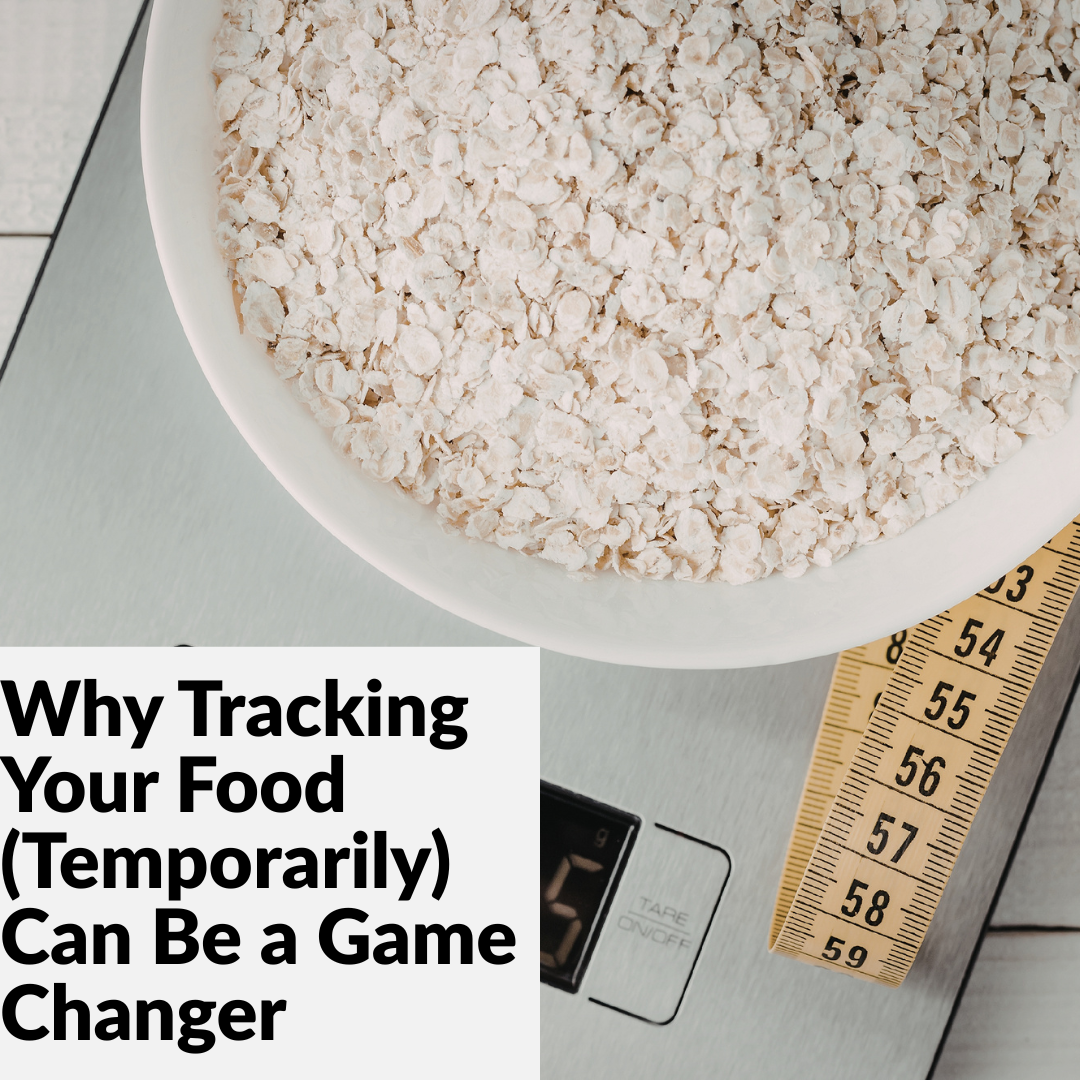
Tracking your food increases awareness and accountability—two things most people are missing when progress stalls.
If you’ve ever said, “I eat pretty healthy, but nothing’s changing,” this is where food tracking can completely shift the game. Not forever. Not obsessively. But strategically. Because the truth is—most people aren’t lacking effort… they’re lacking visibility.
1. You Finally See What You’re Actually Eating
It’s easy to feel like you’re eating well. But when you start tracking, reality hits a little different.
That “small handful” of nuts?
That “light drizzle” of oil?
The bites, licks, and tastes throughout the day?
They all count. Tracking puts real numbers to your habits so you can move from guessing → knowing.
2. It Highlights the Gaps (Especially Protein)
One of the biggest things that shows up when people track? They’re under-eating protein. You might think you’re getting enough… until you realize you’re hitting 60–80g when your body actually needs much more to support fat loss, muscle, and recovery. Tracking helps you spot:
- Low protein intake
- Skipped meals
- Imbalanced macros
And once you see it, you can fix it.
3. It Builds Portion Awareness (Without Restriction)
You don’t need to track forever to benefit from it. Even a couple of weeks can teach you:
- What a true serving size looks like
- How calorie-dense certain foods are
- How to build balanced meals
This is where tracking becomes a skill, not a crutch.
4. It Keeps You Accountable (Without Guesswork)
There’s a big difference between:
- “I think I stayed on track today”
vs. - “I know exactly what I ate today”
Tracking removes the grey area. It gives you honest feedback—without emotion—so you can make adjustments based on facts, not frustration.
5. It Connects Your Habits to Your Results
When you track consistently, patterns start to show:
- Weekends creeping calories up
- Not eating enough earlier in the day → overeating at night
- Undereating overall → low energy and stalled fat loss
This is where the magic happens. Because now, instead of starting over every Monday…you can actually course correct in real time.
6. It’s a Short-Term Tool for Long-Term Results
Tracking isn’t meant to be something you do forever.
Think of it like:
- Using a budget to understand your spending
- Using a map when you’re in a new city
Once you learn the patterns, you don’t need it in the same way. A short phase of tracking can build habits that last for years.
When Tracking Might Not Be Helpful
It’s not for everyone, all the time. If you find it:
- Stressful
- Obsessive
- Taking away from your relationship with food
Then it’s not the right tool right now—and that’s okay. There are other ways to build awareness.
Tracking your food—even temporarily—can be one of the fastest ways to:
- Understand your habits
- Identify what’s holding you back
- Take control of your results
Not because it’s perfect…but because it’s honest and progress always starts with awareness.
Leave a Comment
You must be logged in to post a comment.

0 Comments